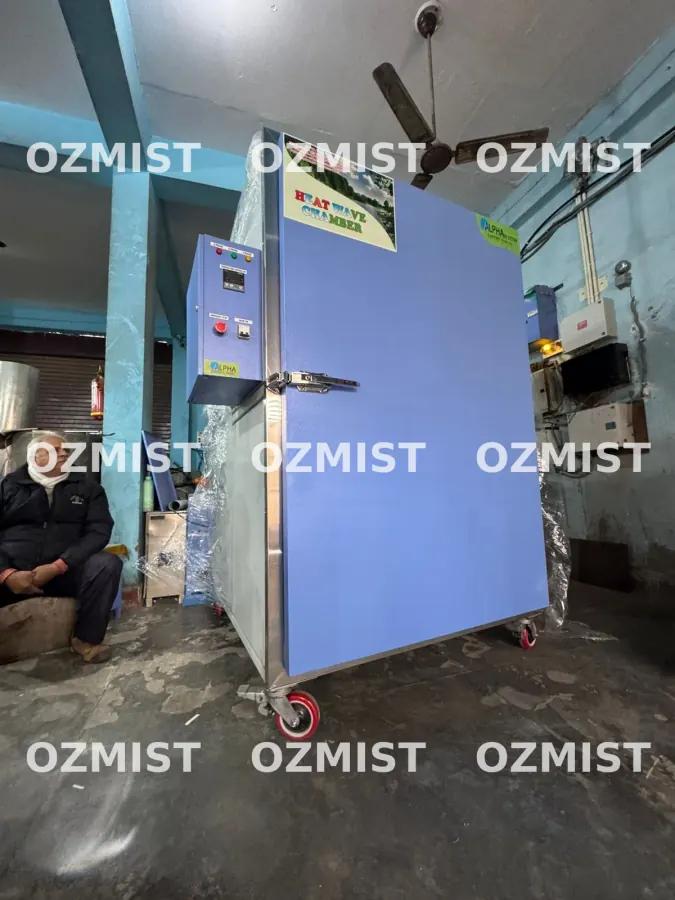
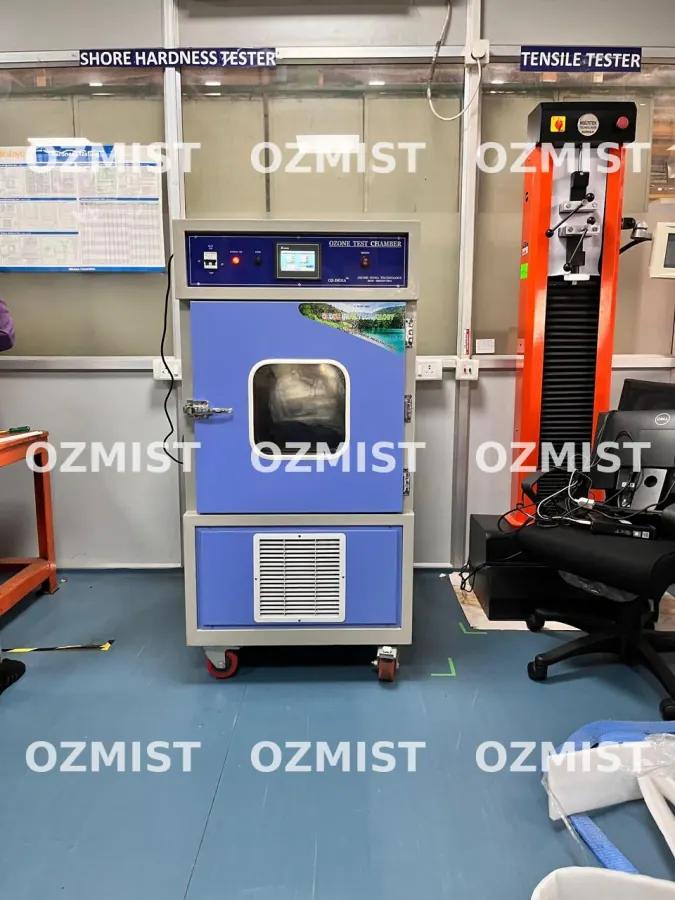
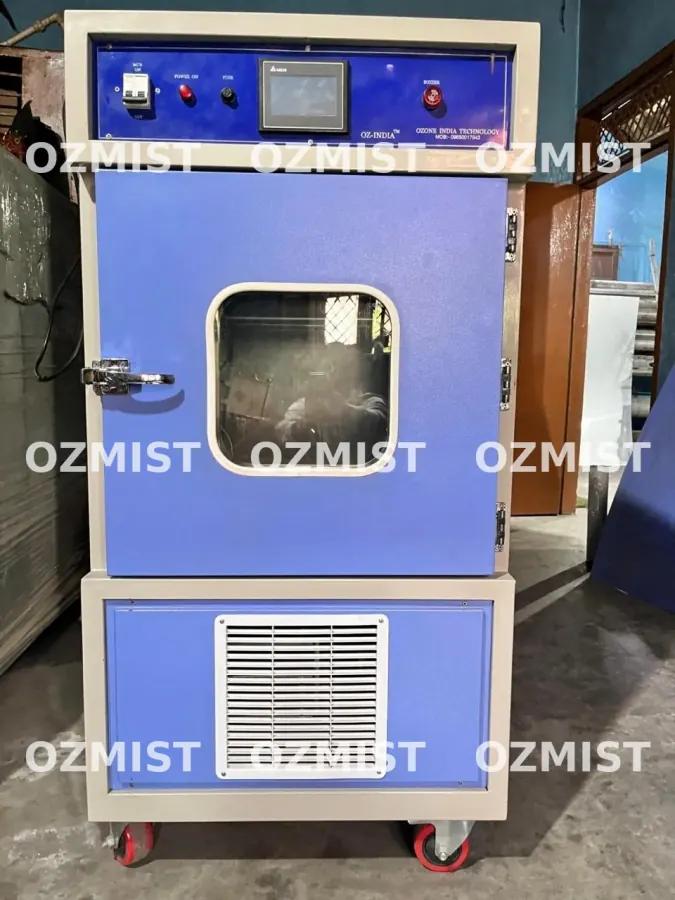
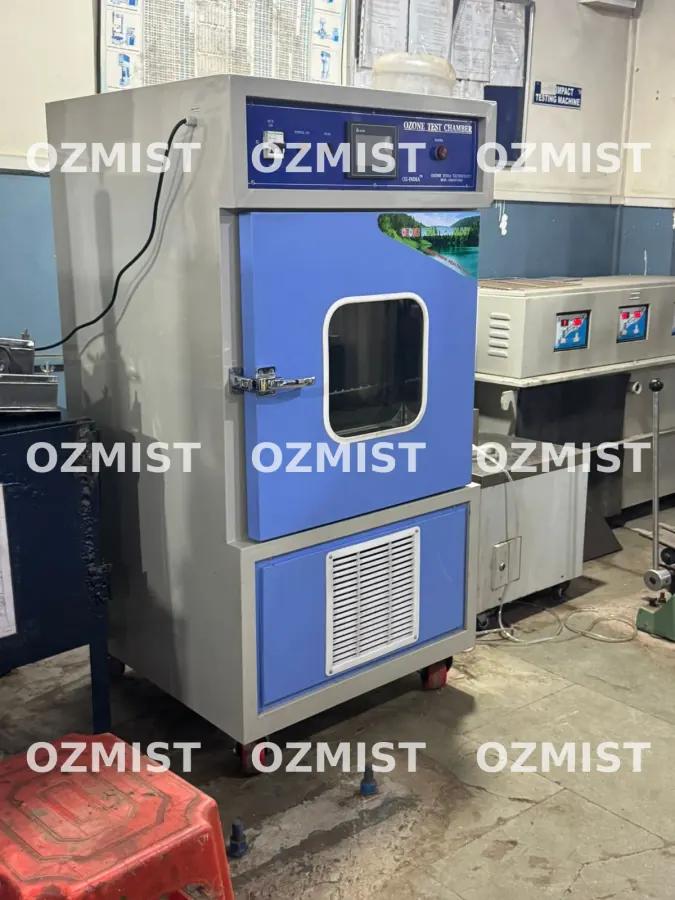
The Sub Zero Chamber is deployed across a diverse set of Indian industrial and commercial contexts. What follows is a set of expert application briefs prepared by our engineering team, each describing the operating problem, the applicable Indian and international standards, and how Ozmist's configuration is engineered to meet it.
Every application description references peer-reviewed research or a named regulatory standard so procurement teams, quality engineers, and plant managers can validate the claims against their own audit expectations. Sources are cited in the References section at the end of this page. If your application does not match one of the profiles below, contact our engineering team via the quote form — the majority of custom Ozmist installations begin with a spec conversation rather than a datasheet pick.
Cold Climate Electronic Reliability
Defence / aerospace · IEC 60068-2-1; MIL-STD-810H method 502.6
Products destined for use in Ladakh, Siachen, Arctic, Antarctic, or high-altitude aviation must operate reliably at –40°C and below. Sub-zero chamber testing verifies functional operation, wake-from-cold behaviour, and long-term storage integrity. Ozmist chambers support IEC 60068-2-1 test Ab (–25°C), Ad (–40°C), and low-temp storage extension to –55°C or –70°C for military and aerospace qualification.
Ultra-Low Temperature Pharmaceutical Sample Storage
Biotech / cold chain · WHO Vaccine Cold Chain; ICH Q5C
Certain biological samples (mRNA vaccines, monoclonal antibody stability samples, tissue banks) require storage at –70 to –80°C. WHO Vaccine Cold Chain guidelines specify strict monitoring and alarming for such storage. Ozmist’s –86°C variant, with dual sensors, alarm dial-out, and 24-hour battery-backed data logging, supports vaccine developers, biotech firms, and pharma sample-retention operations.
Elastomer and Cable Brittleness Testing
Polymer / rubber testing · ASTM D746; IS 3400
ASTM D746 brittleness temperature testing and IS 3400 rubber testing at low temperatures require reliable –40 to –70°C cold soaks. Cable manufacturers, tyre companies, seal producers, and rubber-goods testing labs use sub-zero chambers for these standardised tests. Ozmist supplies mid-size 100 L or 250 L chambers optimised for short-duration cold soaks with fast pull-down.
Automotive Fluid Cold Test
Automotive / lubricants · ASTM D2983
Automotive brake fluid, coolant, and engine oil low-temperature pumpability tests (ASTM D2983, D97) require cold soaks down to –40°C. Automotive component and fluid suppliers use sub-zero chambers for these characterisation tests, often in combination with vessel-integrated stirring or pour-point apparatus.
Food Frozen Storage Simulation
Frozen food
Food companies simulate frozen storage conditions (–18°C to –30°C) for accelerated shelf-life studies, freeze-thaw abuse testing, and cold-chain distribution simulation. Ozmist sub-zero chambers, in the –40°C variant, are used by frozen-food processors, ice-cream manufacturers, and export-oriented processors validating cold-chain robustness.